
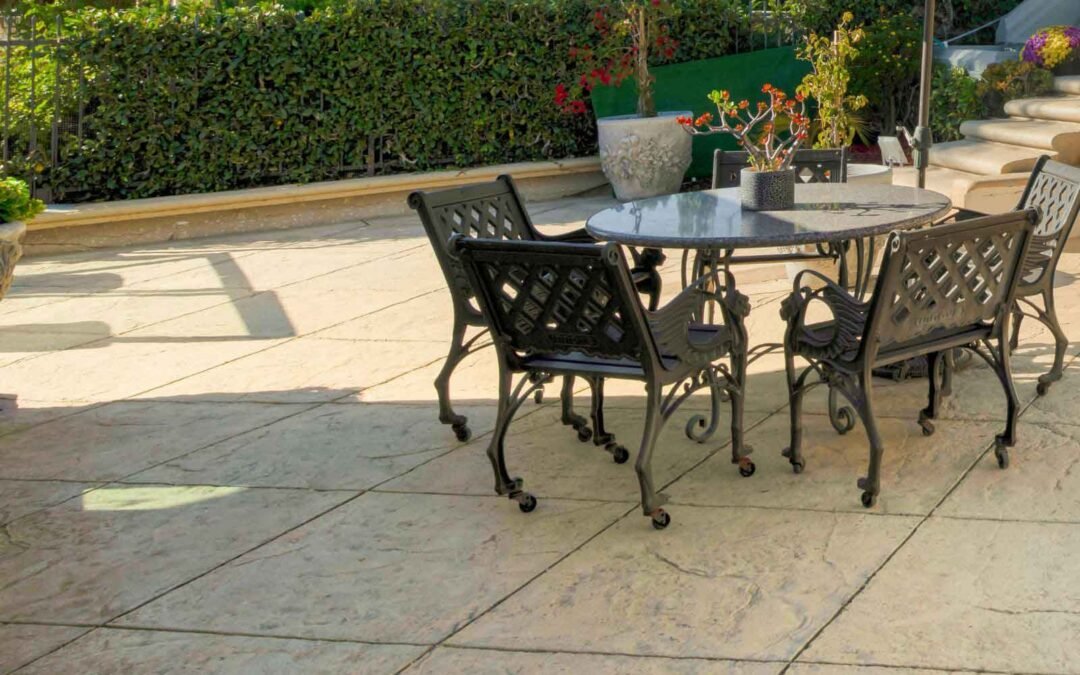
Gardens in Caterham and across the UK face a unique climate challenge – frequent rain, frost in winter and occasional heat in summer. Choosing the right patio material is crucial to handle these conditions. The wrong choice can lead to cracks, moss buildup or quick fading. In this guide, we explore the pros and cons of popular UK patio materials: brick, concrete slabs, Indian sandstone, porcelain slabs, and wooden decking. We explain how each option performs in wet and cold weather, ease of maintenance, cost, and style. We also show how local patio experts like Titan Driveways and Patios (a leading Patios Contractor in Caterham) can help you choose and install the perfect patio. By the end, you’ll know which material suits your home, budget and garden use – and how to get a quote for a professional, long-lasting patio.
Introduction – Choosing the Best Patio Material for UK Gardens
The UK’s temperate climate means your patio must cope with high humidity, rainfall (Caterham gets ~748 mm/year) and winter freeze-thaw cycles. A hard, durable surface resists cracking when water seeps in and freezes. Why the right material matters in the UK climate: A poorly chosen patio can suffer frost damage or become slippery when wet. For example, concrete may spall under winter freeze-thaw unless special mixes or sealers are used. Conversely, porous stone like Indian sandstone naturally withstands frost better because it absorbs less water. Key factors to consider: cost and budget, durability, maintenance, aesthetics, environmental impact, and garden size. Think about how you’ll use the patio: heavy barbecue and furniture use vs light seating area, formal terrace vs casual garden path. Titan Driveways and Patios often advises Caterham homeowners to match the patio style to the home’s architecture (traditional vs modern) and choose materials that require the upkeep they are comfortable with. They can handle the groundworks and ensure proper base preparation and drainage – critical for longevity in wet weather.
Important considerations include drainage and planning rules. In the UK, patios over 5 m² with impermeable surfaces (like plain concrete) usually require planning permission or a soakaway so that rainwater doesn’t overload drains. Titan’s team can advise on permeable paving or drainage so your new patio meets local regulations. Overall, the best patio material for your Caterham garden will balance weather resistance, look and feel, long-term maintenance and cost. The following sections explore each material in depth.
Brick Patios – A Classic and Timeless Choice
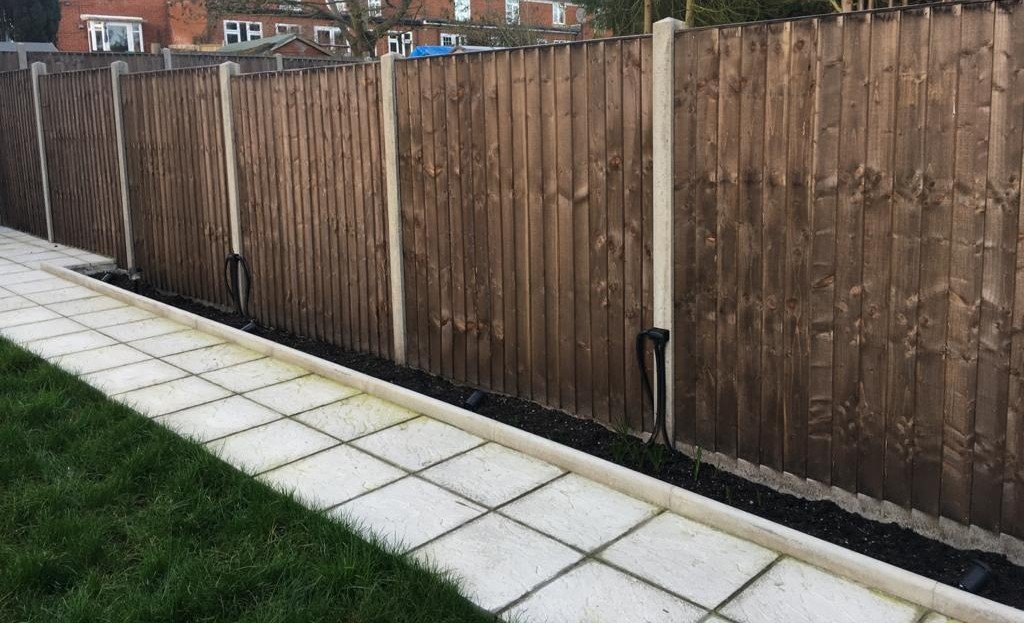
Brick patios evoke a traditional cottage look, blending well with heritage and suburban homes. Benefits for traditional UK homes: Clay brick paving comes in warm red and buff tones that complement brick facades and quaint gardens. Brick’s timeless appeal adds character; each brick is small and uniform, allowing intricate patterns (herringbone, basket weave, stretcher bond) for a bespoke design. Pattern flexibility means you can create curves or borders easily, unlike large slabs. Brick pavers can be laid on edge for extra strength, making them suitable even for driveways as well as patios. As an added bonus, brick patios fit well with ground-level fencing or walls, allowing Titan’s Patios Contractors in Caterham to integrate your patio with existing garden features.
Durability and weather resistance: Fired clay bricks are extremely hard and weatherproof. High-quality clay brick pavers are baked at high temperatures, resulting in an expected lifespan measured in decades – often over 100 years. They naturally resist freeze-thaw damage: because clay is non-porous, water absorption is minimal and surface spalling is rare. Brick patios can endure heavy British rainfall and cold winters with little effect. The material’s natural colour won’t fade in sunlight (the pigment is baked in), so your patio keeps its rich hues over time. Even if some moss or lichen appear in damp spots, brick’s textured surface maintains good slip resistance. Titan’s skilled installers often use a layer of gravel or permeable joint filler under and between the bricks to improve drainage and avoid pooling – a valuable practice given Caterham’s wet winters.
Maintenance and longevity: Brick patios are low-maintenance. They rarely need sealing or treatments – their non-porous surface naturally repels oil and spills, and a simple sweep or wash (mild detergent and water) is usually enough to clean the surface. Any loose weeds or moss in joints can be removed quickly with minimal effort. Experts recommend resealing joints with kiln-dried sand every few years to keep blocks locked, but bricks themselves do not crack or crumble easily. Titan notes that well-installed brick patios require occasional re-sanding and weed control, but otherwise deliver excellent value: decades of use with modest upkeep. In sum, brick patios offer durability and classic style for homes in Caterham. They handle freeze-thaw cycles (Britain’s frosty winters) and foot traffic with ease, making them ideal for traditional gardens.
Design styles and patterns: Brick pavers come in different colours (red, buff, grey, antique mixes) and finishes (smooth, tumbled edges). You can pair them with decorative gravel borders or contrasting natural stone edging. Popular patterns include herringbone for strength and tradition, basket weave for a cottage feel, or diamond patterns. Titan’s installers can arrange bricks in concentric circles around features (like a firepit) for visual impact. Bright red bricks lend a warm look, while grey or black varieties create a more modern or formal effect. With so many layout options, a brick patio can complement anything from a country cottage to a renovated semi in Caterham. For driveways, brick pattern often extends seamlessly from the road to the back patio, creating curb appeal and continuity. No matter the pattern, Titan’s craftsmen ensure a level, precise finish so that rainwater runs off correctly and the patio drains reliably – essential given local rainfall levels.
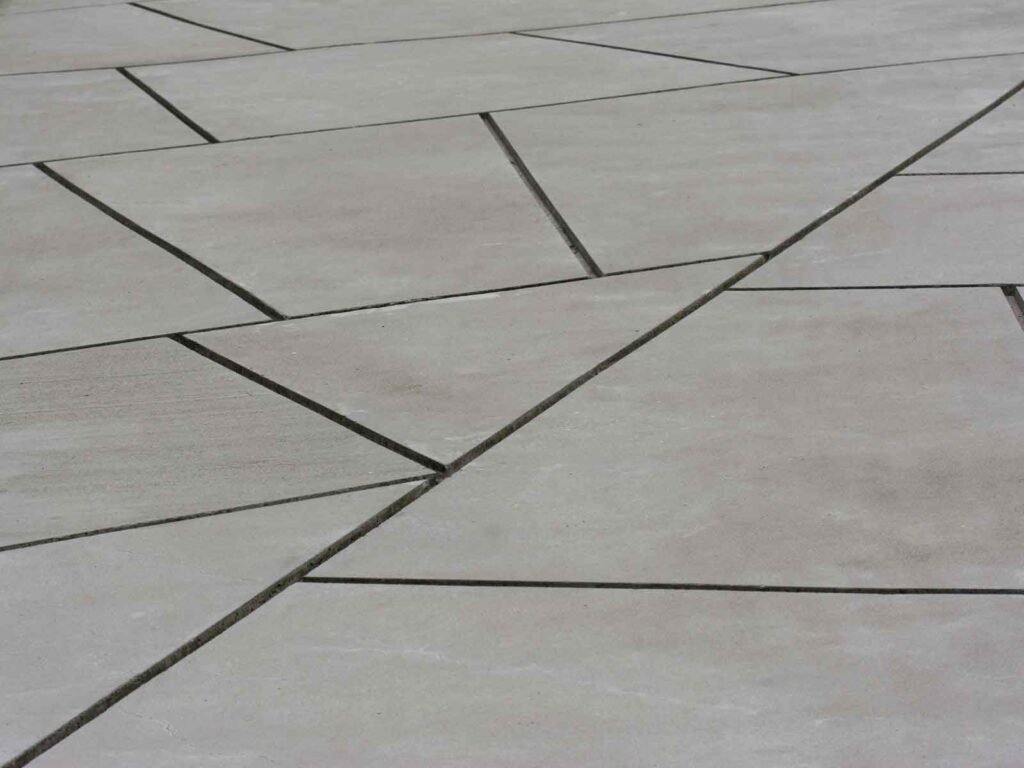
Key takeaway: Brick (clay) patios are time-tested in the UK for beauty, strength and low maintenance. Titan Driveways and Patios can tailor brickwork patterns to your garden, creating a lasting patio that suits traditional British homes.
Concrete Slab Patios – Affordable and Versatile
Concrete slab paving is one of the most popular choices for UK patios due to its cost-effectiveness and flexibility. In South East England, many homeowners opt for concrete slabs because they are usually cheaper upfront than natural stone or porcelain. Standard concrete slabs are machine-made in various sizes (300x300mm up to 600x600mm) and thicknesses, with options ranging from smooth grey to wood-look stamped finishes. They allow quick coverage of large areas, making installation faster.
Advantages: Concrete slabs excel in versatility. They come in numerous colours (grey, buff, red, chocolate) and finishes (brushed, exposed aggregate, textured, or even riven for natural look). This means a modern patio can mimic slate or granite by using a flamed finish, while a traditional patio might use more rustic earth tones. The slabs are consistent in size and quality, allowing for straight, clean lines or stylish patterns. Titan’s team often uses two sizes (e.g. 400x400mm and 600x600mm) in combination for a distinctive layout that looks custom-built. Unlike irregular natural stone, concrete slabs guarantee an even surface if properly laid. This helps furniture stay level and water drains evenly – key benefits for wet UK gardens.
Modern design options: Advances in concrete manufacturing mean patios are no longer plain grey rectangles. You can now buy porcelain-textured concrete, slate-effect concrete, or even concrete panels with integrated LED lights. As a Patios Contractor in Caterham, Titan can source these modern styles to suit contemporary homes. Polished concrete slabs are also available, though they require a non-slip finish to be safe outside. Complex patterns like insets or borders are easy to achieve: you can lay a border of contrasting colour around the edge of your patio or include decorative circles. This design versatility makes concrete slabs a go-to for landscaping that balances economy with appearance.
Slip resistance and safety: A key concern is that untreated concrete can get slippery when wet. To address this, choose a textured or tumbled finish. Some slabs have a brushed surface or exposed aggregate (small pebbles) which adds grip. Titan ensures proper anti-slip measures: they often use slabs with a water resistance rating (R9 or above) to meet safety standards. Drainage also helps – a sloped installation prevents puddles. In short, modern concrete patios can be both attractive and safe for the UK’s rainy days.
Cost, installation and maintenance: Concrete slabs are usually less expensive per square meter than porcelain or natural stone. However, costs vary widely by slab type. A simple smooth slab may cost around £30–£40/m², whereas a premium colour-impregnated or large-format slab might be £70–£100. Installation by Titan includes a solid sub-base and mortar bed to prevent sinking or cracking. Because concrete is heavy, Titan’s groundworks team ensures a compacted stone base to support the load and prevent frost heave.
Routine maintenance is minimal: concrete does not need sealing (most slabs have a built-in sealant or are non-porous enough to resist staining). Seasonal cleaning with a power washer or stiff brush and soapy water is usually sufficient. If a slab does chip or crack (rare if properly installed), it’s often easier to replace just that one panel rather than whole sections. Overall, concrete slab patios offer affordability and design flexibility, at the expense of needing careful installation to be frost-proof. Titan advises using frost-resistant mixes (air-entrained concrete) and advises on drainage to mitigate UK freeze-thaw damage.
Key takeaway: Concrete slab patios are budget-friendly and available in many styles. In Caterham, concrete can provide a durable, modern patio if installed with proper sub-base and if you choose textured slabs to handle wet weather safely. Titan Driveways and Patios can design a custom layout and ensure concrete slabs resist UK winter weather.
Indian Sandstone Patios – Natural Beauty and Character
Natural beauty: Indian sandstone is prized for its warm, earthy colours and natural riven texture. Popular shades include Autumn Brown, Golden Sand, and the cool Kandla Grey. Each slab has unique veins and shades that add rustic charm and a lived-in look. Many homeowners in the UK love how Indian sandstone looks richer and deeper when wet; the rain brings out vivid tans and golds, making the patio look striking even on grey days. This ever-changing colour effect fits well with lush British gardens. Indian sandstone also ages gracefully: over years it develops a soft patina, unlike uniform concrete.
Popularity in UK gardens: Indian sandstone has become a leading choice for patios and driveways in Britain. It combines exotic appeal with practicality. True to its name, it’s imported from India, but major UK suppliers have made it common. According to market reports, Great Britain is one of the top importers of sandstone globally, reflecting its widespread use. For Caterham and Surrey homeowners, it has become accessible and its quality is consistent due to UK standards. Titan includes Indian sandstone in their range; they advise that for a classic British look, this material seamlessly blends with brick and timber elements.
Color variations and texture: Indian sandstone is sedimentary, offering a range of hues from yellow-beige through oranges to greys and browns. Some slabs are gently flecked or veined, so no two are exactly alike. The riven surface is naturally coarse, providing traction. Because it is cut from rock that formed under pressure, each tile is durable. Titan notes that the slight irregularity between slabs (in height or texture) adds character but must be levelled carefully – a job for experienced installers. Edges can be sawn for a cleaner finish, or left natural.
Durability in British weather: Indian sandstone’s geological formation (layers of sand and mud compressed over millions of years) makes it tough and frost-resistant. Unlike some softer stones, it absorbs little water, so frost-thaw cycles rarely cause cracks. UK winters with sporadic freezing and warm spells can challenge patios, but Indian sandstone handles this well. The Regatta industry guide notes that it is “naturally resistant to frost and absorbs less water, which makes it a great investment for your garden or patio”. It also withstands heavy foot traffic and even vehicle loads if laid strongly, giving years of service. In short, Indian sandstone is weather-hardy – it won’t shatter on the first frost and remains slip-resistant when slightly damp due to its rough texture.
Sealing and maintenance: Although the surface is hard-wearing, it is somewhat porous. For Indian sandstone patios, Titan usually recommends sealing after installation. A high-quality outdoor stone sealant prevents stains (like wine spills or BBQ grease) and makes cleaning easier. Sealing should be repeated every few years. In normal conditions, basic care involves periodic sweeping and washing with water or diluted cleaner to remove dirt or algae. Because of its natural cleft texture, moss and algae can grow in shaded, damp areas; a mild moss remover (or diluted bleach) can clear this safely. Overall, maintenance is moderate: more than for porcelain but less than very porous slate. Homeowners appreciate that sealed Indian sandstone still looks “natural” – the sealant is usually invisible. Titan’s experts advise caring for the patio’s jointing too, recommending sand or resin-pointing to keep slabs firmly in place and prevent weed growth.
Key takeaway: Indian sandstone offers exceptional natural beauty and robust performance. Its colour range and texture create a warm, characterful patio. Crucially, it is frost-proof and durable, making it well-suited to Caterham’s climate. Proper installation and occasional sealing will keep an Indian sandstone patio looking great for decades.
Porcelain Patios – A Modern and Low-Maintenance Solution
Porcelain paving is a newer option that’s growing in popularity for UK gardens. Key benefits: Porcelain slabs are fired at very high temperatures into a dense, glass-like material. The result is an almost completely non-porous surface (water absorption <0.5%). This means porcelain is highly frost-resistant and stain-proof. It won’t crack in winter (a properly installed slab can last 30+ years) and spills (from barbecues or garden chemicals) can usually be wiped away easily. Its consistent colour and texture are factory-controlled, so there’s no variation between pieces unless it’s a designed effect.
Slip resistance and frost-proof properties: Contrary to misconceptions, outdoor porcelain is engineered for safety. Most outdoor porcelain pavers on the market meet or exceed the recommended slip rating (R11 in UK standards). Many have textured or sandblasted finishes that mimic stone. Because the material is non-porous, it does not become waterlogged; even after heavy rain, puddles will drain off rather than soaking in. In freezing weather, any water on a porcelain patio is on the surface rather than in the tile – reducing freeze-thaw expansion. Manufacturers often explicitly label their outdoor porcelain as frost-proof. The concrete industry notes that “porcelain paving is non-porous, resistant to stains, frost, and water damage”. In practice, a porcelain patio installed in Caterham’s garden will stand up well to damp winters and requires very little yearly care.
Design trends for modern gardens: Porcelain slabs come in a wide range of styles. They can imitate natural stone (marble, limestone, sandstone) or hardwood decking (wood-grain porcelain). Bold contemporary finishes include terrazzo patterns or deep colours like anthracite and black. Sleek large-format slabs (600x900mm or bigger) create a minimalist look often seen in modern architecture. If you want a seamless extension of your indoor tile flooring, porcelain can achieve that uniformity indoors and outdoors. Titan Driveways and Patios has been laying porcelain patios for clients who prefer a chic, uniform aesthetic. For instance, a clean 900x900mm grey porcelain can make a small garden feel larger by reducing visible grout lines.
Cleaning and long-term advantages: A major draw is low maintenance. Unlike natural stone, porcelain does not need sealing or special cleansers. Moss or algae growth is very limited due to the slick surface, and most dirt can be swept or hosed away. Annual cleaning with mild detergent is enough to keep it pristine. Over time, porcelain will not change colour, fade or weather – what you install is what you’ll have for life. This stability means long-term costs are low. The biggest ongoing task is keeping joints clean: Titan typically uses grout or resin fillers that are easy to wash or treat if any growth occurs.
Key takeaway: Porcelain patios are an excellent choice for those wanting a modern look with minimal upkeep. They are extremely durable (30+ years lifespan), slip-resistant, and completely frostproof. For Caterham homeowners who want a sleek, consistent patio that stays looking new, Titan’s team can supply and install quality outdoor porcelain slabs, ensuring a safe, long-lasting finish.
Wooden Deck Patios – Warm and Natural Outdoor Living
Timber decking offers a very different feel compared to stone patios. Its warmth and texture bring a sense of nature into the garden. Think of broad wooden planks underfoot, like an indoor floor extending outside. This style is well-suited to landscaped or tiered gardens, especially those on a slope where building a raised deck can maximize space and views.
Types of wood used: Common decking woods include Western Red Cedar, European Hardwood (like oak), and Pressure-Treated Softwood (usually pine). Cedar is naturally durable and rot-resistant because of its oils. Benchmark Timber notes that cedar decks “will not rot due to the natural oils within the timber”. Hardwoods (like oak or tropical ipe) are very hard and can last 25+ years if maintained, but are more expensive. Softwoods (pine, spruce) are cheaper but must be pressure-treated or regularly stained to resist moisture and insects. Titan can advise on these choices: for a long-lived deck with minimal treatment, hardwood or cedar are often recommended for UK gardens. Thermo-treated woods (heat-treated softwood) also perform well and need less maintenance.
Visual appeal and integration: Wood decking has a distinctly warm, organic appearance. Its golden or reddish hues complement green lawns and planting. Deck boards can be laid lengthwise to draw the eye outwards, making small gardens feel longer. Decking is often chosen for level outdoor entertaining areas, close to the house or as raised viewing platforms. Titan installs wooden decks with smooth transitions to patios or lawns, using fascia boards and steps for a neat finish. Because wood is a softer material, it can be easier on bare feet than stone, making it popular for family gardens or homes with pools/spas. The wood texture also changes over time: many owners appreciate the “weathered grey” patina that cedar or oak develops if left untreated, though they can also maintain the original colour with sealant or stain if desired.
Maintenance and weather protection: Wood decks must be maintained to last. UK wood decks are regularly exposed to rain, sun and frost. Unsealed, all timbers will eventually turn silvery grey and can warp or splinter. Titan advises that decking should be cleaned annually and sealed with a suitable oil or clear preservative (even UV-protective stains) to prevent moisture ingress. Hardwoods need the least upkeep (their oils offer natural protection) but still benefit from occasional oiling to retain colour. Softwood decks often come pre-treated, but should be re-treated every 2-3 years. In Caterham’s climate, it’s also vital to ensure decking is well-ventilated underneath to dry out and avoid rot. Titan’s groundworks team always constructs a proper subframe on sleepers (treated timber or joists) and uses gravel or weed membrane below for drainage.
Safety and longevity: Timber can become slippery in wet or frosty weather. To improve safety, Titan often uses grooved boards or applies non-slip coating on the surface. Gravel or rubber matting under hot tubs or near furniture can also help. Wood also has the issue of nails/screws popping up over time – proper installation minimizes this, and Titan’s team routinely uses exterior-grade fixings and checks tension. With care, a high-quality deck will provide 15-20 years of service. Without maintenance, however, deck life could be under a decade. Titan advises clients up front about these needs. For longevity, choosing cedar or oak with occasional sealing offers both durability and the celebrated wooden deck ambience.
Key takeaway: Wooden decking creates a warm, natural extension of your home. In Caterham’s damp climate, cedar or tropical hardwood decks (properly installed and maintained) resist rot and last longest. All decks need regular cleaning and sealing to stay safe and beautiful, but Titan’s expertise ensures the right wood and treatment is used for a deck that suits your garden lifestyle.
Comparing Patio Materials – Which Is Best for Your Garden?
When deciding among brick, concrete, Indian sandstone, porcelain or wood, consider cost, durability, and garden size.
- Cost: In general, concrete slabs tend to be the cheapest option for materials, with brick and Indian sandstone at a mid-range cost, and porcelain and hardwood decking costing more per square meter. Installation costs also vary: porcelain and some hardwoods require skilled trades and special tools, driving up labour costs. According to London Stone data, installing porcelain can range from £200–£300/m² including materials and labour. By contrast, a simple concrete slab patio might come in under £100/m² fully installed. Ultimately, Titan will quote based on your exact design, but expect higher budgets for premium looks (natural stone and porcelain) and lower for basic concrete.
- Durability and maintenance: All listed materials are durable if installed well, but their maintenance burden differs. Porcelain and brick require the least maintenance (sweeping and occasional wash). Indian sandstone is very durable but needs sealing every few years. Concrete slabs may need sealing if they’re a porous type, but many are sold pre-sealed. Wood decking needs the most care (staining, anti-rot treatments). In terms of weather resilience: porcelain and Indian sandstone top the list (both handle frost and rain superbly), followed by brick, then concrete, with wood last (unless it’s high-grade durable timber). For high-traffic areas or driveways, brick and concrete are proven performers under heavy load, whereas wood is only for decking (not driveways).
- Small vs large gardens: In small gardens, lighter colour materials (buff sandstone, light grey porcelain) can visually expand space. Large slabs (600+ mm) also suit big areas without looking too busy. Brick and small concrete pave work well in tight spaces where intricate patterns add interest. Wood decking can make a small garden feel like an outdoor “room” by raising a platform level with patio doors. Titan often suggests porcelain or sandstone for modern small garden patios, and brick or decking for cottage-style small gardens.
In practice, the “best” material often comes down to your priority. If longevity with minimal fuss is key, porcelain or clay brick are excellent choices. If classic natural appeal is desired, sandstone shines. If budget is tight, concrete or block paving (with good drainage) delivers a solid patio. Titan Driveways and Patios can provide a side-by-side quote comparison, helping Caterham customers weigh initial cost against expected lifespan and maintenance.
How to Choose the Right Patio Material for Your UK Garden
With so many options, consider these guiding points:
- Match materials to your home’s style: A Tudor-style home in Caterham might look best with traditional red brick or rustic sandstone. A modern villa might suit sleek porcelain or concrete. Titan’s portfolio of past projects illustrates how material choice complements architecture. Driveways Contractors in Caterham often find that using the same material for the patio and a path or terrace ties designs together.
- Usage, lifestyle and budget: Think about how you use your garden. For heavy BBQ and furniture use, pick a very durable, stain-resistant surface (porcelain or sealed concrete). If you have pets and children, slip resistance and easy cleaning are important. Titan advises that families often choose textured porcelain or rough sawn wood decking to reduce slip accidents. Budget-wise, set realistic limits. It may be better to use a mid-range material and get professional groundworks than skimp on a cheaper material that needs expensive repairs later.
- Professional installation vs DIY: Although DIY patio kits exist, experts like Titan Driveways and Patios recommend professional installation for several reasons. Proper groundworks (leveling, compaction, drainage) are crucial but time-consuming. Titan’s team of skilled pavers ensures each slab or brick is laid with correct mortar or jointing to prevent shifting. They also handle any building permits or regulations (e.g. the need for permeable surfaces over 5m²). In contrast, amateur installation risks uneven settling and water damage. Given that a patio is a long-term investment, hiring Titan (Patios Contractors in Caterham and Groundworks Contractors) often provides peace of mind and better warranty on the work.
Conclusion – Selecting the Perfect Patio Material for Long-Term Value
Final thoughts: The best patio material for your UK garden balances beauty, toughness and ease of care. Brick and stone (natural or porcelain) offer timeless looks with decades of life, while concrete offers flexibility and economy. Wood adds warmth and a natural feel but needs commitment to upkeep. Considering Caterham’s rainy climate, emphasis on drainage and surface grip is key. As the 2007 UK flooding event reminds us, poorly drained hardscaping can exacerbate runoff, so Titan ensures new patios include soakaways or permeable joints where needed.
As established patio and block paving contractors in Caterham, they can assess your garden’s conditions, recommend the optimal materials and patterns, and install your patio to last. Titan also offers free, no-obligation quotes: just contact them with your ideas or photos, and they’ll show you how each material choice could work in your space. Whether you lean traditional (brick or sandstone) or contemporary (porcelain, modern concrete), Titan guarantees professional workmanship and guidance.
Getting expert advice and a quote: Don’t hesitate to reach out. Titan Driveways and Patios are specialists in patios, driveways, fencing and groundwork. They can help you narrow down choices, source quality materials, and plan for maintenance. For Caterham homeowners wanting a new patio, Titan offers tailored solutions – including brick patios, concrete patios, Indian sandstone patios, porcelain patios or wooden decking – all installed to handle the UK climate. Their team knows local regulations and will ensure your patio is both beautiful and compliant.
Ready to transform your outdoor space? Contact Titan Driveways and Patios today for a free quote. Their experienced team will recommend the ideal patio material for your garden’s style and use, ensuring a durable, safe and attractive result that adds lasting value to your home in Caterham.